Network Members
Principal Investigators participating in iBLOOD
- Prof. Dr. Benedikt Brors (externer Link, öffnet in neuem Tab)
- Prof. Dr. Michael Boutros (externer Link, öffnet in neuem Tab)
- Prof. Dr. med. Sascha Dietrich (externer Link, öffnet in neuem Tab)
- Dr. Marieke Essers (externer Link, öffnet in neuem Tab)
- Prof. Dr. med. Stefan Fröhling (externer Link, öffnet in neuem Tab)
- Dr. Stefanie Göllner (externer Link, öffnet in neuem Tab)
- Stefan Gröschel
- Prof. Dr. Simon Haas (externer Link, öffnet in neuem Tab)
- Prof. Dr. Thomas Höfer (externer Link, öffnet in neuem Tab)
- Prof. Dr. med. Wolf-Karsten Hofman (externer Link, öffnet in neuem Tab)
- Prof. Dr. med. Michael Hundemer (externer Link, öffnet in neuem Tab)
- Prof. Dr. Simon Anders (externer Link, öffnet in neuem Tab)
- Prof. Dr. med. Alwin Krämer (externer Link, öffnet in neuem Tab)
- Katharina Kriegsmann
- Prof. Dr. med. Andreas Kulozik (externer Link, öffnet in neuem Tab)
- Prof. Dr. Jeroen Krijgsveld (externer Link, öffnet in neuem Tab)
- PD Dr. Daniel Lipka (externer Link, öffnet in neuem Tab)
- Prof. Dr. Anna Marciniak-Czochra (externer Link, öffnet in neuem Tab)
- Dr. Daniel Mertens (externer Link, öffnet in neuem Tab)
- Dr. Michael Milsom (externer Link, öffnet in neuem Tab)
- Prof. Dr. Martina Muckenthaler (externer Link, öffnet in neuem Tab)
- Prof. Dr. Daniel Nowak (externer Link, öffnet in neuem Tab)
- PD Dr. med. Caroline Pabst (externer Link, öffnet in neuem Tab)
- Prof. Dr. Christoph Plass (externer Link, öffnet in neuem Tab)
- PD Dr. med. Simon Raffel (externer Link, öffnet in neuem Tab)
- Prof. Dr. Karsten Rippe (externer Link, öffnet in neuem Tab)
- Prof. Dr. Hans-Reimer Rodewald (externer Link, öffnet in neuem Tab)
- Dr. med. Tim Sauer (externer Link, öffnet in neuem Tab)
- Prof. Dr. med. Richard Schlenk (externer Link, öffnet in neuem Tab)
- Prof. Dr. med. Michael Schmitt (externer Link, öffnet in neuem Tab)
- Dr. Martina Seiffert (externer Link, öffnet in neuem Tab)
- Prof. Dr. Ulrich Schwarz (externer Link, öffnet in neuem Tab)
- Prof. Dr. Motomu Tanaka (externer Link, öffnet in neuem Tab)
- Prof. Dr. Andreas Trumpp (externer Link, öffnet in neuem Tab)
- Prof. Dr. Judith Zaugg (externer Link, öffnet in neuem Tab)
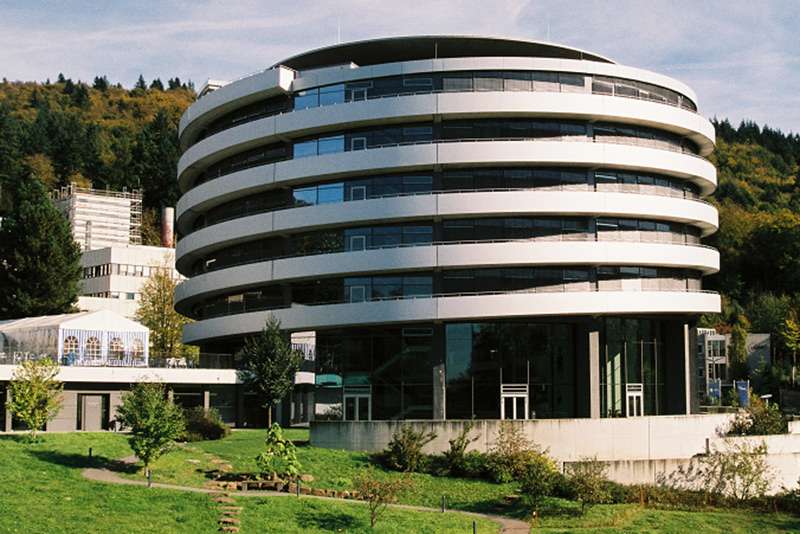
EMBL – European Molecular Biology Laboratory

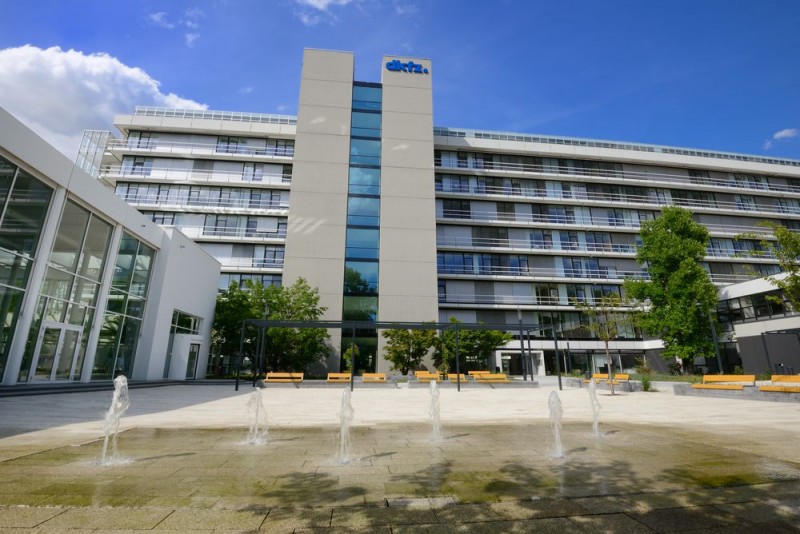
German Cancer Research Center – DKFZ Heidelberg
Heidelberg Faculty of Medicine
Heidelberg University Hospital
HI-STEM – Heidelberg Institute for Stem Cell Technology and Experimental Medicine

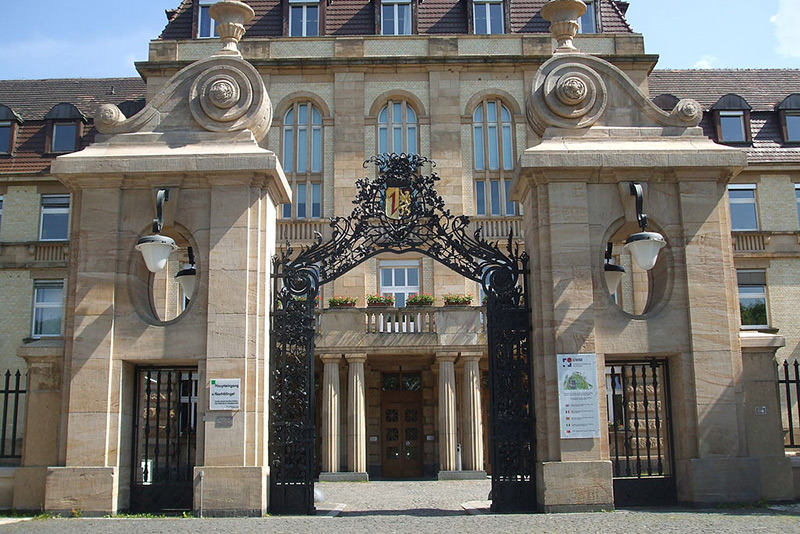
Medical Faculty Mannheim – University Medical Centre Mannheim
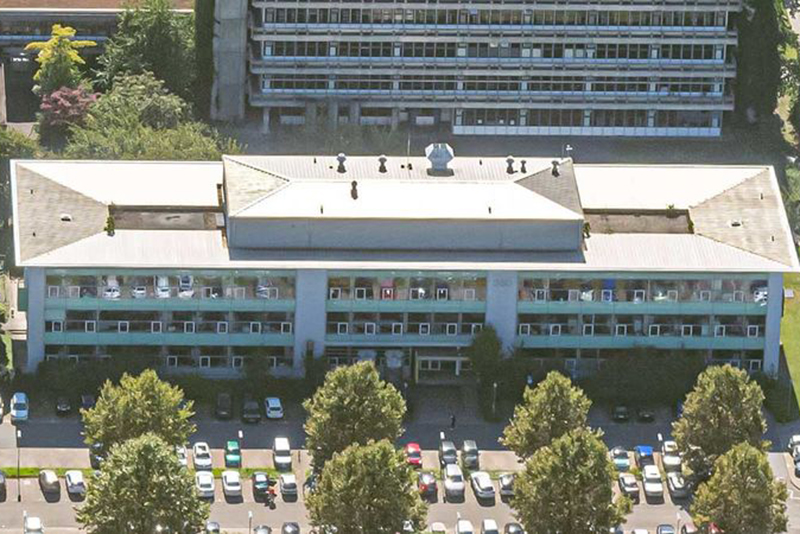
Molecular Medicine Partnership Unit
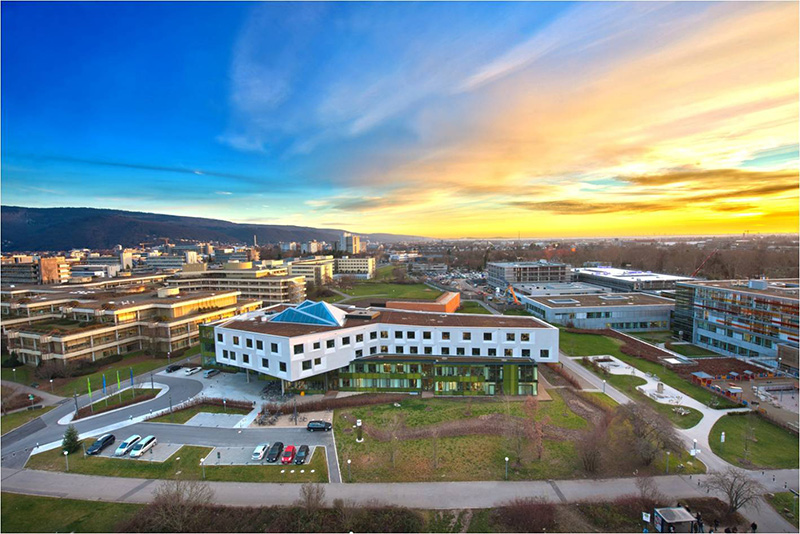
National Center for Tumor Diseases (NCT) Heidelberg
EMBL – European Molecular Biology Laboratory
German Cancer Research Center – DKFZ Heidelberg
Heidelberg Faculty of Medicine
Heidelberg University Hospital
HI-STEM – Heidelberg Institute for Stem Cell Technology and Experimental Medicine
Medical Faculty Mannheim – University Medical Centre Mannheim
Molecular Medicine Partnership Unit
National Center for Tumor Diseases (NCT) Heidelberg
EMBL – European Molecular Biology Laboratory
German Cancer Research Center – DKFZ Heidelberg
Heidelberg Faculty of Medicine
Heidelberg University Hospital
HI-STEM – Heidelberg Institute for Stem Cell Technology and Experimental Medicine
Medical Faculty Mannheim – University Medical Centre Mannheim
Molecular Medicine Partnership Unit
National Center for Tumor Diseases (NCT) Heidelberg
Measures for Scientific Interactions
The planned initiatives for the iBLOOD work along two connected lines:
The first will be focused on strengthening and expanding existing measures proven to be successful but which could significantly benefit from dedicated administrative/infrastructure support. These include the Blood Club, Annual Campus Research Day, and the international Behr Symposium on Stem Cells and Cancer with its associated Leukemia Satellite Meeting.
The second will be the initiation of new mechanisms that are specifically targeted to enhance interactions between clinical and basic research colleagues. Importantly, we will specifically focus on outreach from the hematology community to the broader faculty of natural sciences in Heidelberg. These include the Heidelberg Hematology Summer School, Lab Exchange Program and Interdisciplinary Workshops. All three of these initiatives take a pro-active strategy to increase the likelihood that effective relationships are formed across disciplines. Overarching all six activities will be measures to ensure that effective regular communication is maintained across the iBLOOD, which is clearly a critical component of any successful network.
Interdisciplinary aspects and added value
While hematology focused research already has a strong base in Heidelberg, further outreach to basic research faculty is critical for the long-term sustainability of the iBLOOD network. Not only because this promotes scientific innovation within the network, it is also an essential starting component from which to assemble a competitive proposal for a Cluster in the next round of the Excellence Initiative, which is obviously one of the ultimate goals in terms of guaranteeing the longevity of the network. Along these lines, an intermediate step towards achieving sustainability for the network, and increasing the probability of success in forming an Excellence Cluster, is to secure significant third party funding to support the consortium.
iBLOOD will facilitate ready access to a broad range of animal models, cell lines and biobanked human material which, in combination with the pre-existing hematology expertise and infrastructure in Heidelberg, will enable FoF1 researchers to expand their work programs to take advantage of an experimentally tractable, clinically relevant model tissue.
Next generation therapeutic approaches including genome editing in blood and precursor cells are on the edge of clinical implementation. These developments demand ever-closer links between basic researchers and clinician scientists. Strong links to ongoing clinical trials in Heidelberg will offer unique and exciting opportunities to initiate reverse translation research based on findings from these human studies. These developments also connect the field to ethical and legal scholars as well as society in general. As the iBLOOD will likely further increase the already high international visibility of hematology research in Heidelberg, we envisage that this will have a positive impact on allied FoF1 groups in terms of metrics such as international recruitment and solidifying feasibility metrics in funding applications.